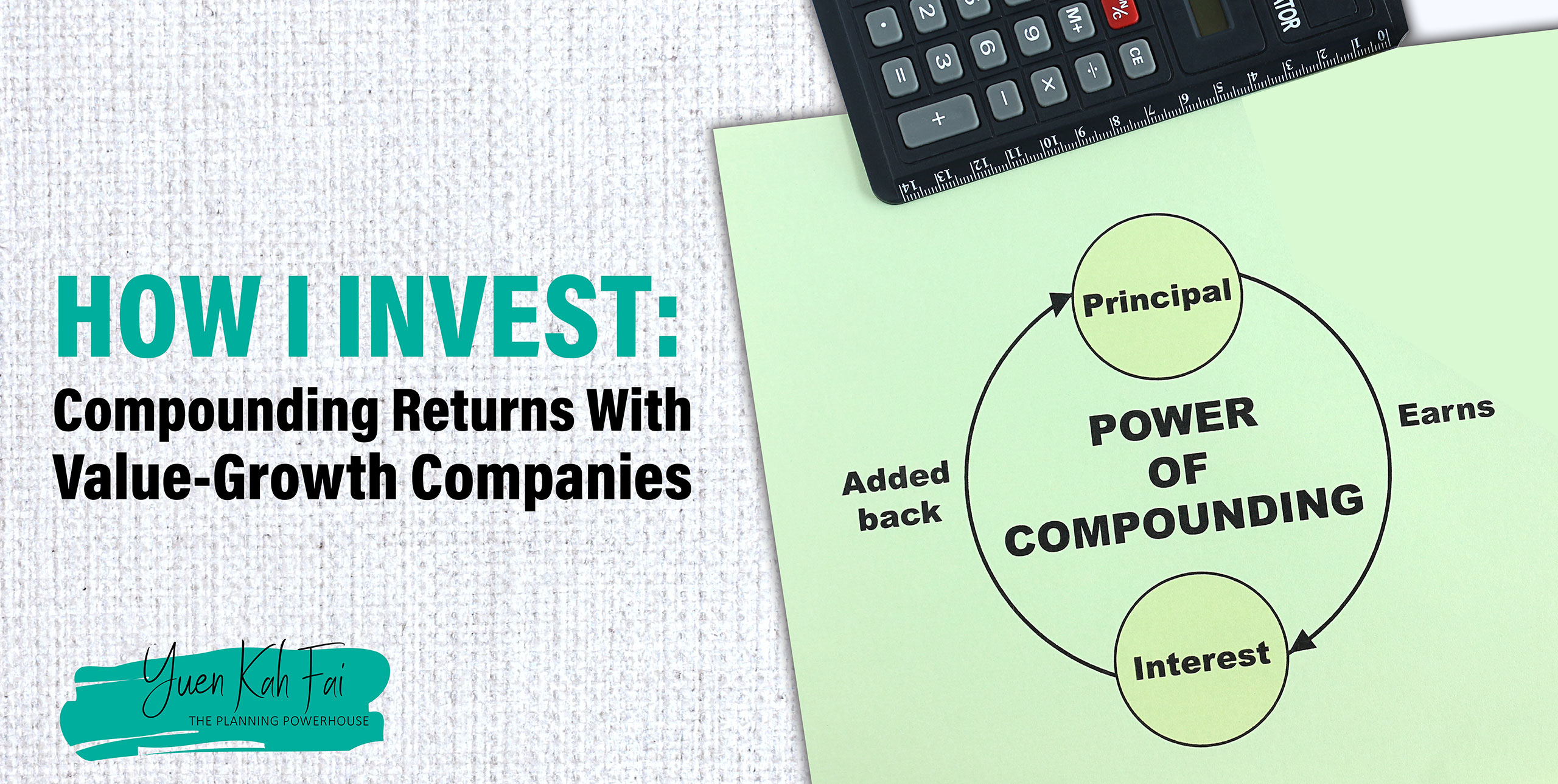
When it comes to investing, I’m a strong believer in allowing time and great companies to do the heavy lifting. Rather than chasing trends or trying to time the market, I aim to compound returns by investing in companies that can grow over the long run and reinvest their earnings efficiently.
Although you must remember, not all companies compound at the same rate. That’s why I categorise my investments into two different buckets. This mental framework guides me on how much to invest, how long to hold, and what to anticipate in return. Let’s break it down.
1. High Returns, Limited Reinvestment Opportunities
These are businesses that earn high returns on capital but don’t have opportunities for internal reinvestment of their profits. Think of niche consumer products, software tools, or high-end brands that dominate a small market.
They may have strong margins, minimal debt, and steady cash flow, but they have a limited growth runway. So, what do they do with the money?
They distribute it back to shareholders via dividends or share buybacks.
Such companies are ideal for income-focused investors or those who want stable, defensive investments. But here’s the catch: since they can’t reinvest substantially, your capital growth is bound by how good they are at managing excess cash.
2. High Returns, Reinvestment Highway
This is where the power of compounding really comes in. These are companies that not only generate high returns but also have multiple growth drivers, so they can reinvest their profits at similarly high rates.
They might expand into new geographies, launch new product lines, or invest in research and development to outpace their competitors. You’re not just betting on a good business; you’re betting on a flywheel that gains speed over time.
Examples include top-tier tech firms, scalable platforms, or companies with large addressable markets and visionary management.
Here, the name of the game is long-term capital appreciation. You’ll want to hold these companies for as long as they keep compounding, 10 years or more.
What to Look For as an Investor
When evaluating companies for your portfolio, ask yourself:
1) Does the company earn high returns on capital?
2) Can it reinvest those profits at comparable or superior rates?
3) Is there potential for growth and expansion, or are they hitting a ceiling?
By knowing the difference between these two types of businesses, you can build a portfolio that is stable and growing, and more importantly, align with your financial goals.
Let Compounding Do the Work
The simplicity of this approach is what makes it so appealing: put money into businesses that are expanding and watch as they gradually work for you. Compounding will benefit you more the earlier you begin.
Are you ready to invest more wisely? Let’s craft a comprehensive, personalised investment strategy tailored to your wealth-building goals. Speak with me today and make your money work harder and smarter.
Disclaimer: Investment carries certain risks. You should not just rely on results as an indication of your financial needs. You should understand and familiarise yourself with any investment and the associated risks before investing. You are also recommended to seek professional advice before making any decision to buy, sell or hold any investment or insurance product. The views and thoughts expressed in the post belong solely to us, and not to Manulife Financial Advisers Pte Ltd, or any other group of individuals.
Exclusive Content
Be Part of Our Exclusive Community
Subscribe to our newsletter to get the latest updates of our news and events.