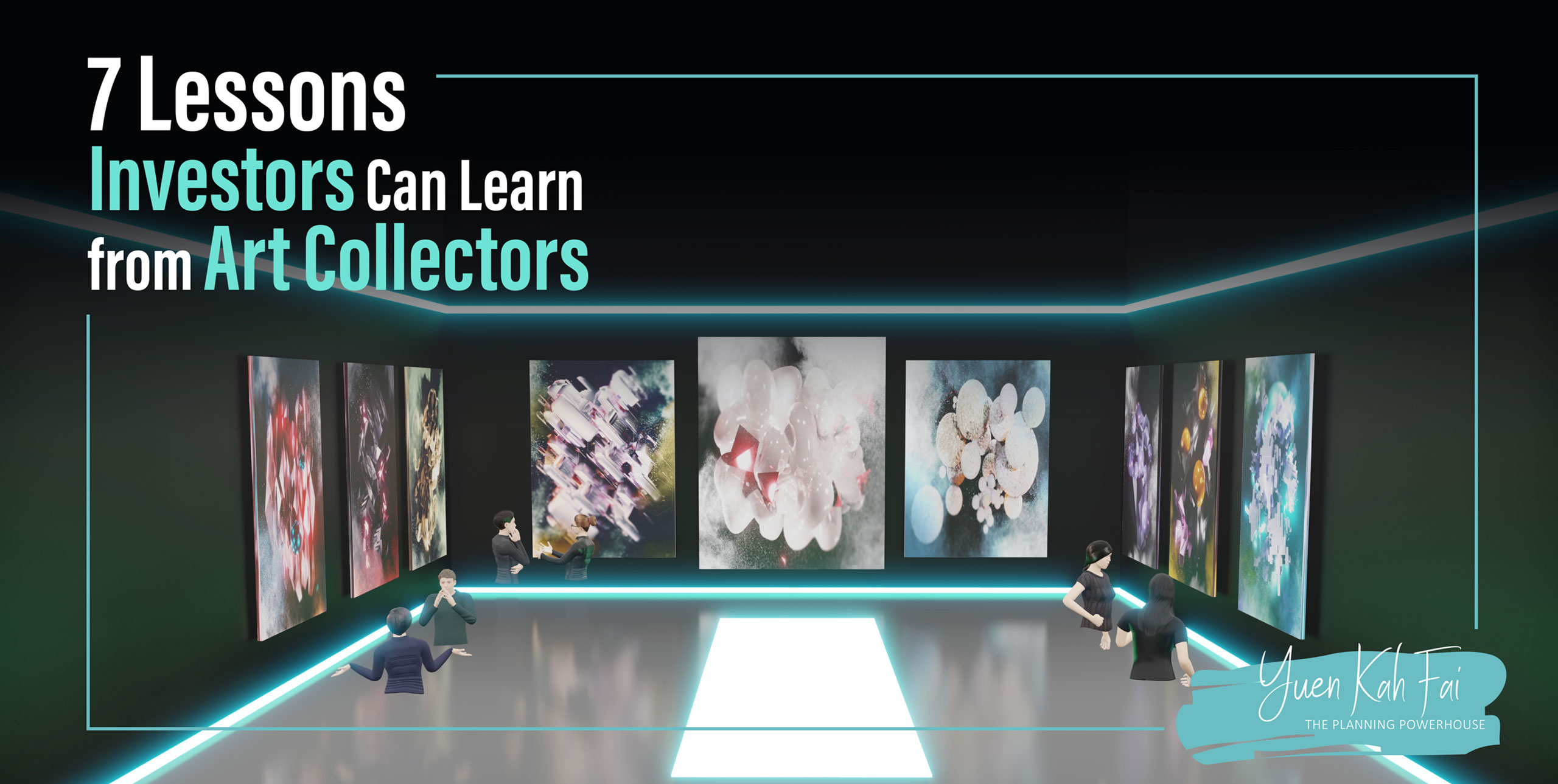
Step into an art gallery and you may find yourself feeling drawn to certain pieces, a question of taste, curiosity, and strategy. Surprisingly, these are the very same concepts that could help business leaders and investors effectively approach the investment landscape. Building a portfolio can be much like curating a collection of fine art: intuition matters, but so does strategy.
1. Taste: Define Your Priorities
Serious art collectors invest in works that reflect their long-term vision, while a good chief executive officer builds a brand by focusing investments on financial objectives and risk tolerance. It’s not about jumping onto every moving train; it’s about making thoughtful, intentional choices that support broader goals.
2. Timing: Patience and Market Awareness
Art collectors often buy their works when markets are quiet or undervalued. In portfolio management, the inverse usually holds: strategic timing and great patience often create better outcomes than reactive decisions. Having observed the market cycles, discipline creates stronger, long-term outcomes.
3. Long-Term Perspective: Patience Pays
Masterpieces and investments seldom pay off immediately. The investors and CEOs who adopt the long-term view — whether in building wealth, planning liquidity, or assessing asset — position their organisations and portfolios for sustained growth. A measured, patient approach often beats short-term speculation.
4. Risk Management: Diversification and Strategy
Not every investment will outperform expectations. Just as art collectors diversify across artists and styles, leaders can balance high-growth opportunities with stable, income-generating assets. Thoughtful diversification helps manage risk while supporting consistent portfolio growth.
5. Legacy: Planning Beyond Today
Art collectors often think about the next generation, donating or passing works on to secure cultural impact. In the same vein, CEOs can plan for legacy through trusts, succession strategies, or structured portfolios to ensure that their wealth and impact endure well beyond their tenure.
6. Combining Expertise with Intuition
The best collectors combine personal judgment with expert guidance. In the same manner, business leaders benefit from advisors who temper intuition with market insights and professional expertise. This hybrid approach enhances decision-making, mitigates blind spots, and strengthens long-term outcomes.
7. Art as an Investment
Art investing is not only about passion; it can also be a strategic alternative asset class. Limited editions, emerging artists, and historical pieces have all shown their potential to contribute to portfolio diversification and wealth preservation in the long run. The art market can help investors diversify their investment strategies and explore other opportunities for growth and legacy building.
The art market is increasingly open to new collectors. Digital galleries, online viewing rooms, and social media have opened up a world of artworks to peruse and purchase. If you prefer tailored guidance, an experienced art advisor can help curate a collection that reflects your tastes while aligning with your investment goals.
For new collectors weighing up “is it worth collecting art?”, the lower barriers to entry will make testing the waters that much simpler. More limited editions, smaller-scale works, and emerging talent offer credible starting points at a range of price levels.
Let’s Build Your Wealth
Whether one is curating fine art or building a diversified portfolio, the principles of taste, timing, patience, risk management, and legacy remain very much the same. Investors who bring intention and strategic insight into their investments create portfolios that are resilient and meaningful.
Interested in how these lessons and art investing might help shape your own financial strategy? Let’s connect and discuss a tailored approach to your goals.
Disclaimer: Investment carries certain risks. You should not just rely on results as an indication of your financial needs. You should understand and familiarise yourself with any investment and the associated risks before investing. You are also recommended to seek professional advice before making any decision to buy, sell or hold any investment or insurance product. The views and thoughts expressed in the post belong solely to us, and not to Manulife Financial Advisers Pte Ltd, or any other group of individuals.
Exclusive Content
Be Part of Our Exclusive Community
Subscribe to our newsletter to get the latest updates of our news and events.